
There's a surprising amount to know about straw and other natural materials when used in buildings, from agricultural practice to thermal performance to the global carbon cycle. CASBA members have spent decades working, playing with and testing natural building materials to their limits, and we work to share this knowledge in useful formats for the community and to encourage their adoption throughout the US and the world.
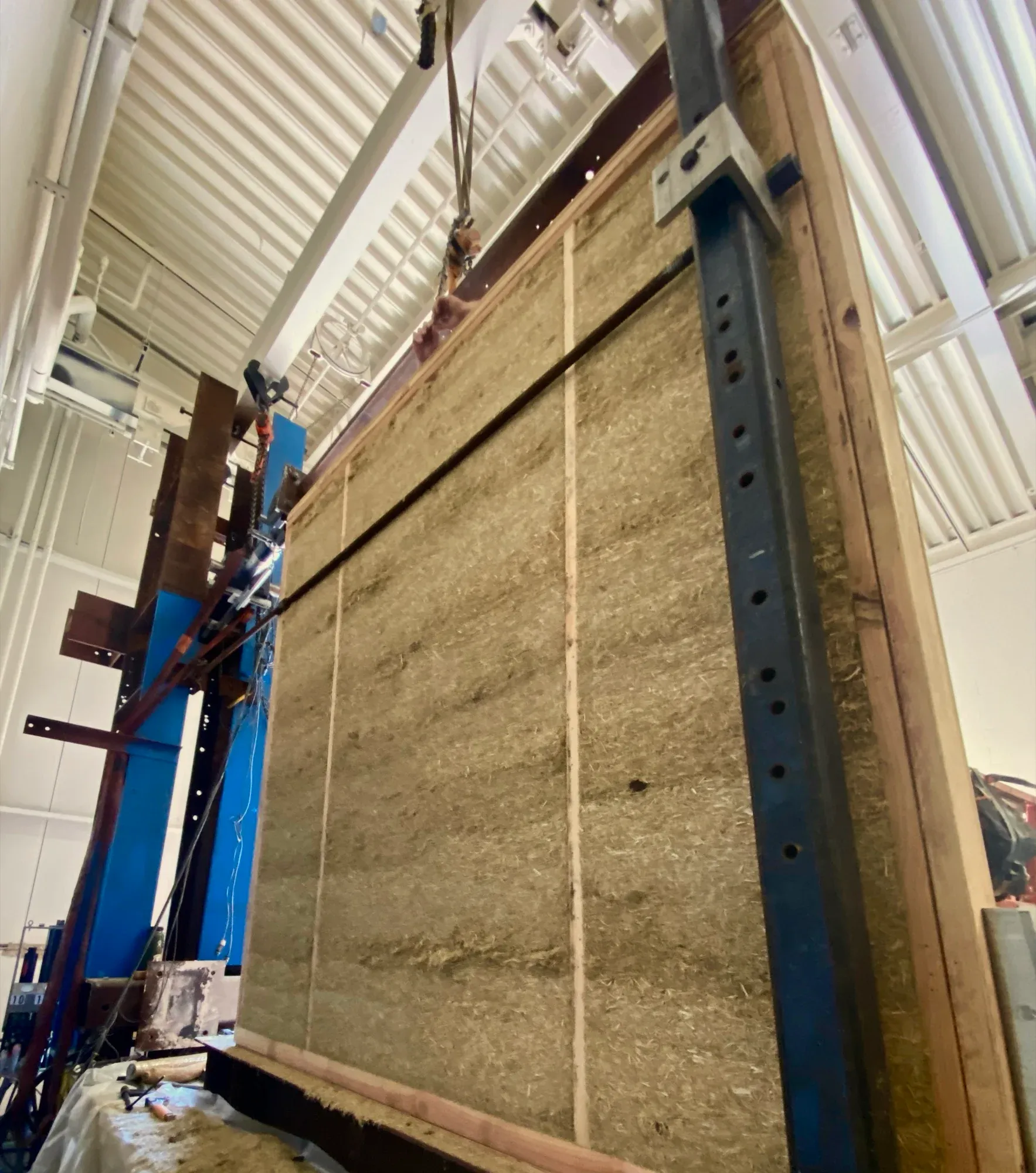
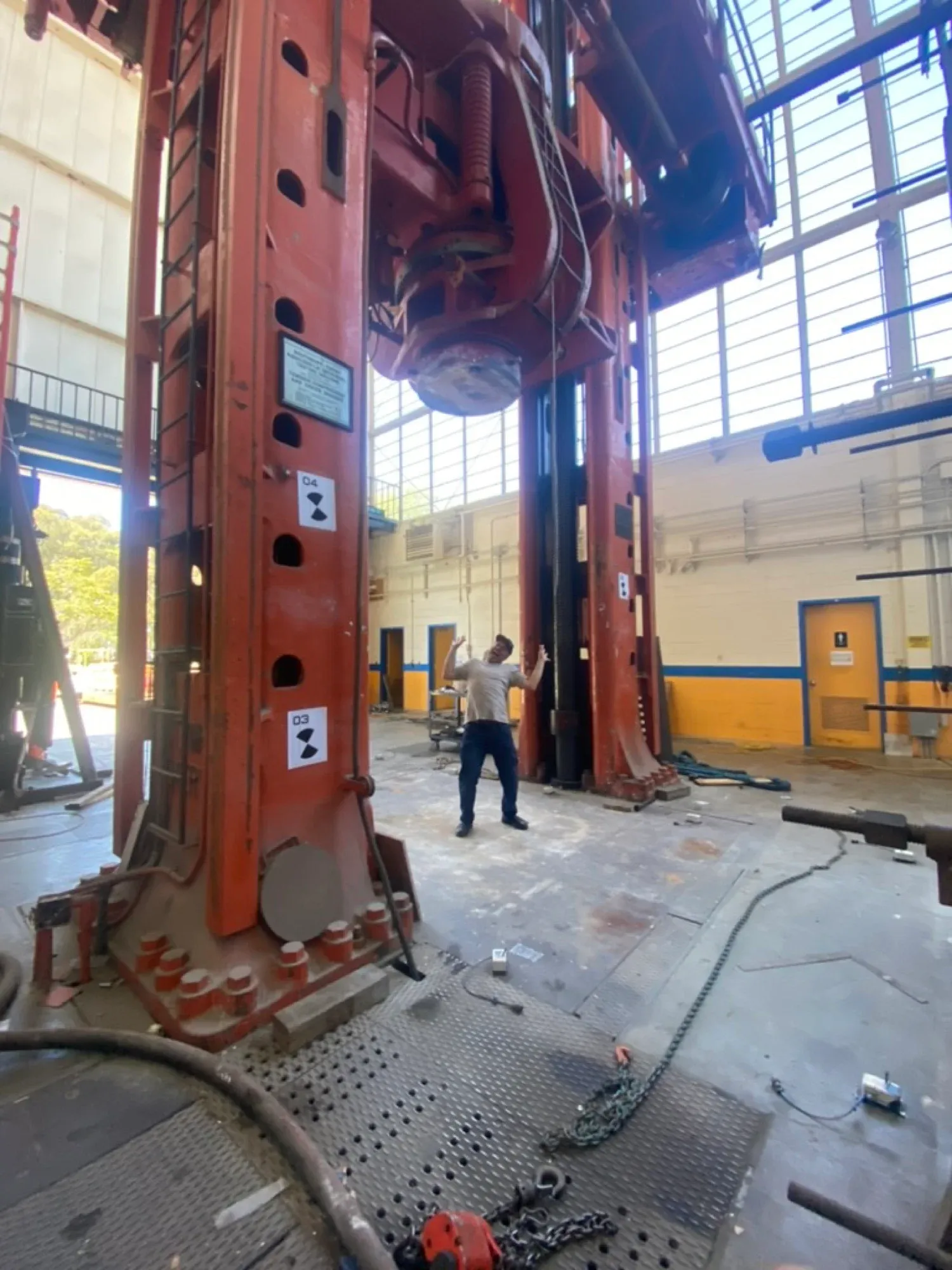
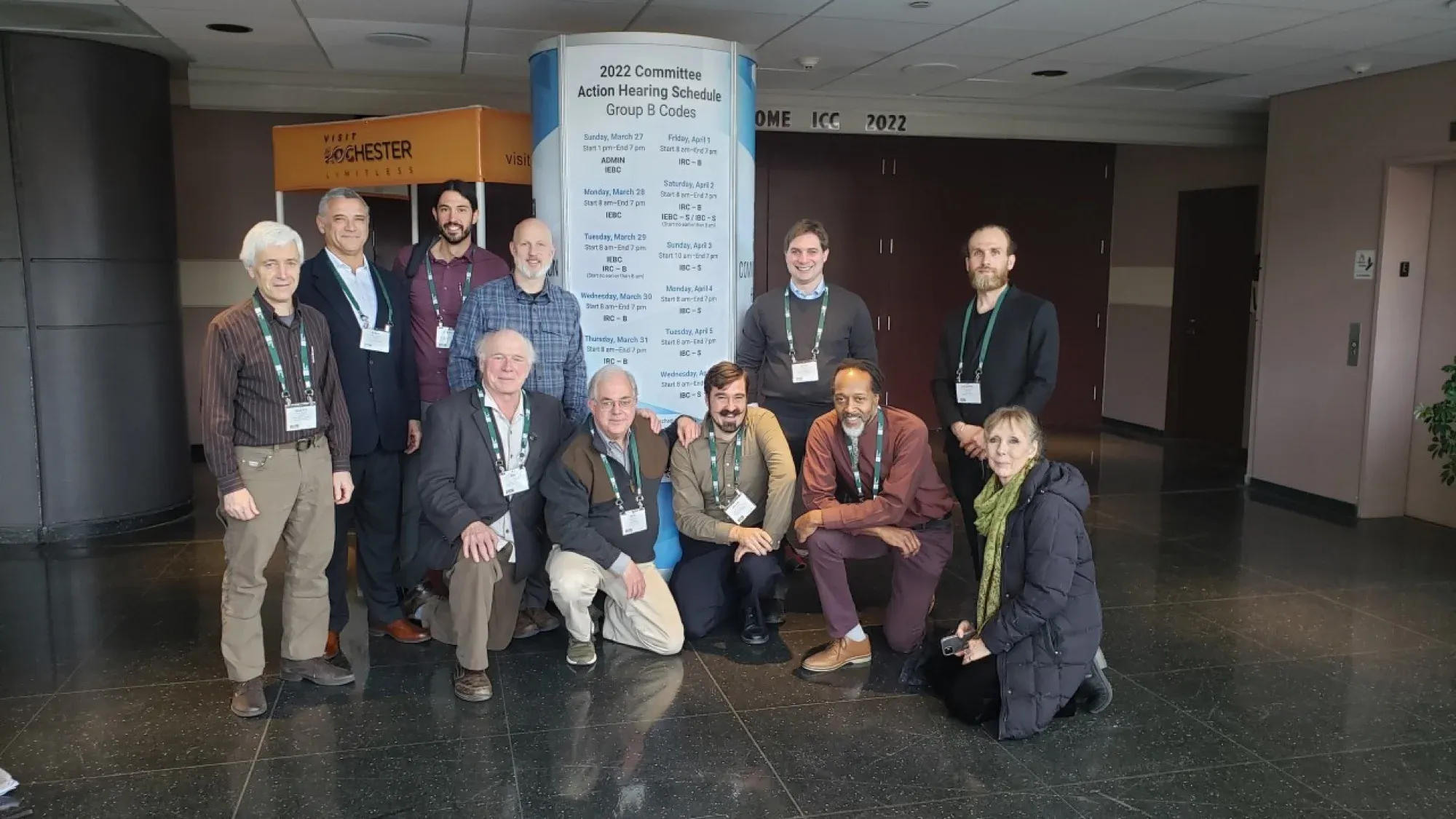
Code support for straw and other biomaterials. What materials/assemblies have been or should be permitted, information on and assessment of existing testing data, and what performance testing is needed to complete further testing.
Historical perspectives on natural materials in the field. How these materials and assemblies have performed over time and through experimental iterations in the community
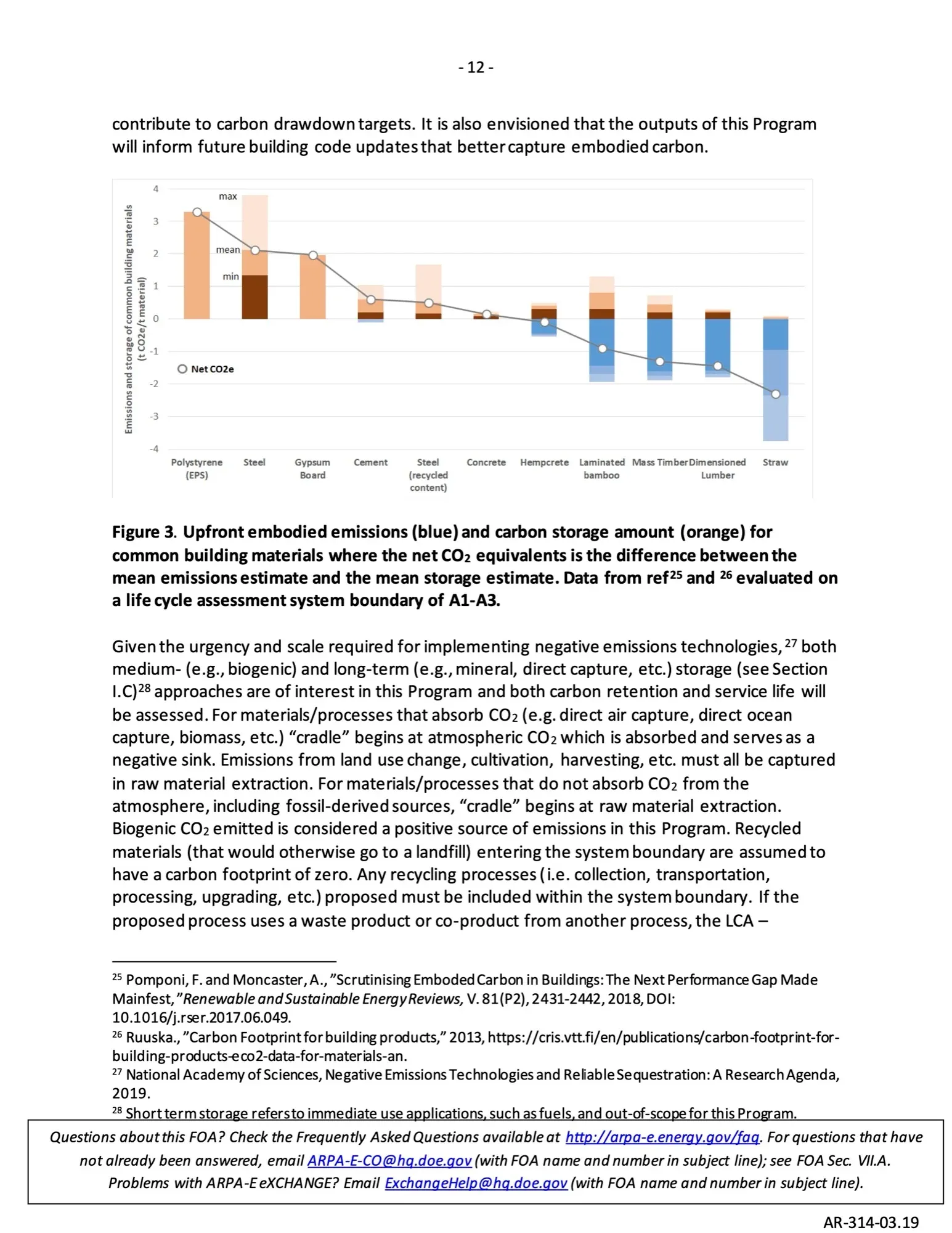
Rationales for building with natural materials, including (but not limited to) climate action, circularity, building health, regional resilience, and more.
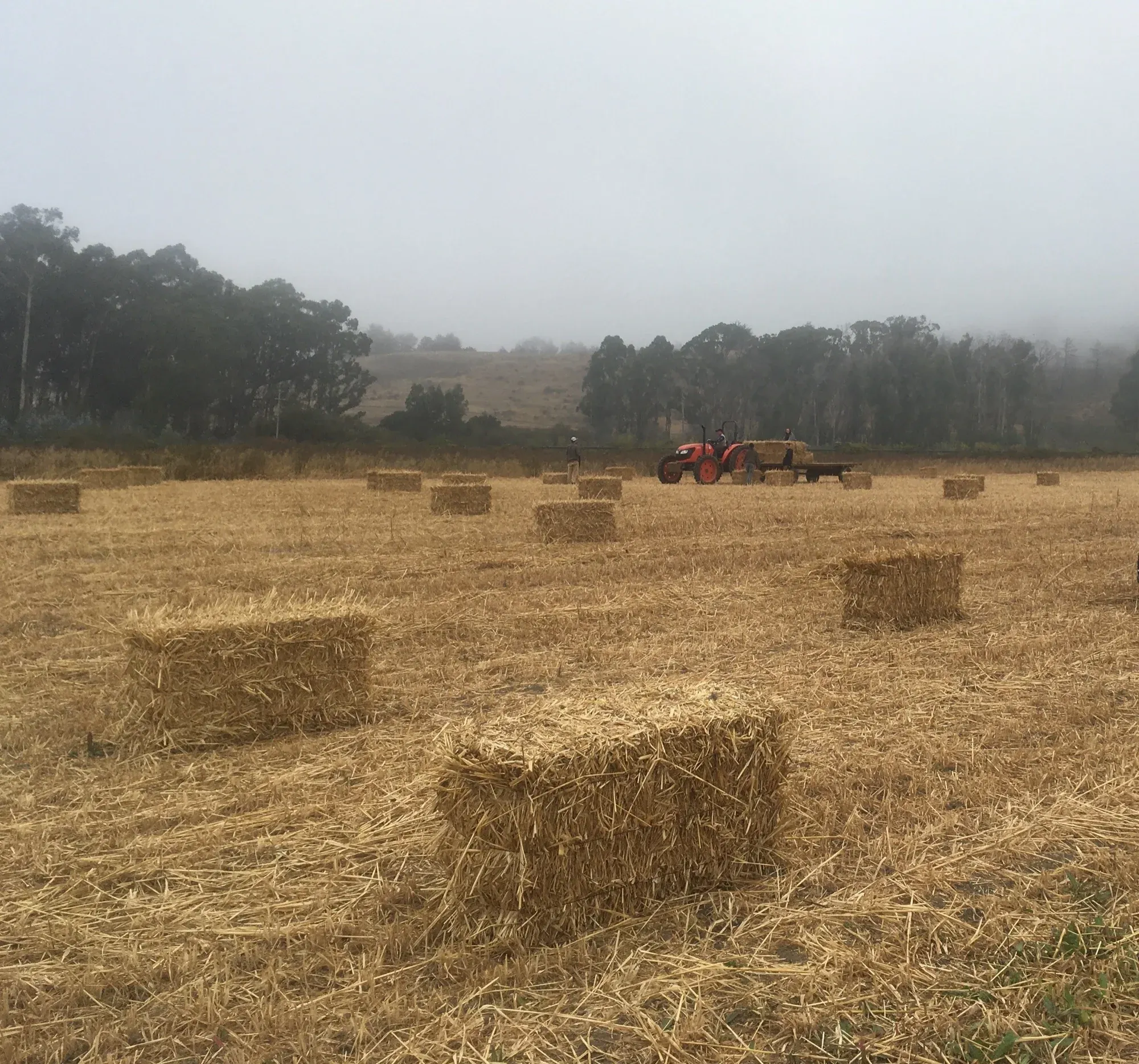
Supply chain mapping for natural materials. What is grown where, how much, questions of land management, and other considerations for scaling up building with natural materials
Producing specific technical documents related to utilizing natural materials in the wider context of green building, such as Life Cycle Assessments (LCAs), and Environmental Product Declarations (EPDs).
Building relationships with academic institutions and partner nonprofits to further technical and research work.